If you manage an apartment community, hotel, senior living property, or workplace, you may have asked a reasonable question: Why does commercial fitness equipment cost more than similar-looking models sold for home use?
The price tags reflect different jobs. Equipment bought for a household serves a known group of people. A shared fitness center needs to welcome users with different routines, accommodate use throughout the day, and remain available as an amenity for the property. Understanding that difference helps you choose equipment that fits the space and make a more useful comparison than purchase price alone.
Commercial fitness equipment has a different job to do
Consider how people use each setting. At home, the buyer generally knows who will use the equipment and how often. In a hotel, a guest may step onto a treadmill for the first time and expect an easy workout before checkout. In an apartment community, residents may return several times a week. An office fitness center may see concentrated use before work, at lunch, and after hours.
Those patterns affect equipment selection. The question is not simply whether a machine fits in the room. It is whether the specific model is intended for the facility and its expected use, and whether the surrounding space lets people use it comfortably.
Commercial equipment also comes in different sizes and configurations. A compact hotel fitness room does not necessarily need the same machines as a busy recreation center. Selecting equipment for the actual setting helps the property use its budget and floor space wisely.
What changes in the equipment itself?
Two treadmills can look alike in a photo while differing in the drive system, running surface, frame, controls, power requirements, and service access. The same principle applies to strength equipment: benches, cables, upholstery, and adjustment points should be evaluated for the way people will use them in that particular facility. Specifications vary, so compare actual models rather than assuming a label tells the whole story.
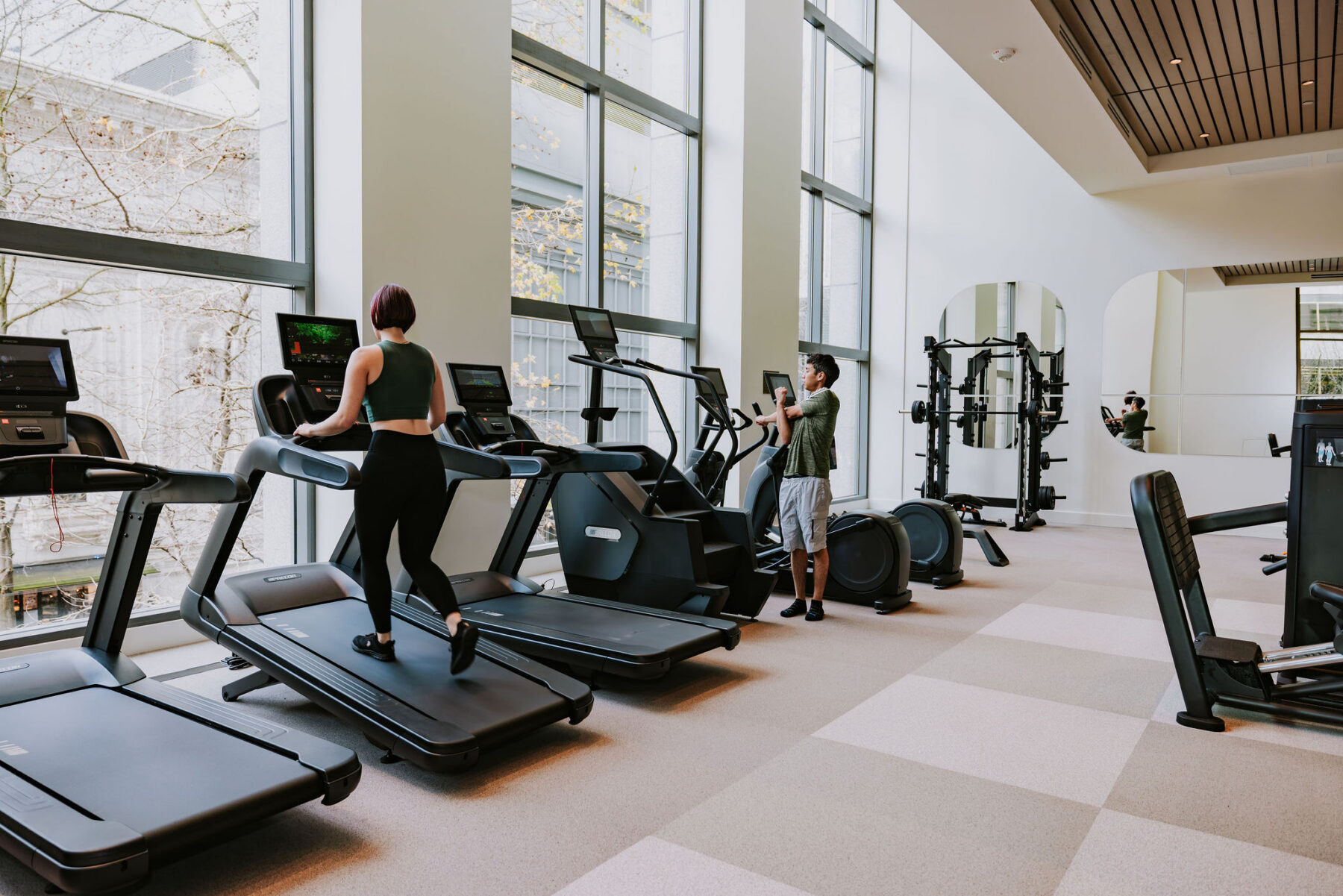
For example, Precor’s 500 Line treadmills are commercial products designed for compact multifamily, hotel, and corporate fitness spaces. That illustrates an important point: commercial equipment can be selected for a smaller amenity room as well as for a larger, busier facility. The appropriate model depends on the space and expected use.
What should a facility buyer compare?
When comparing commercial fitness equipment with home models, start with the manufacturer’s intended use for each model. A product name or an online description can only tell you so much; the manufacturer’s specifications and warranty terms tell you more about the setting it was designed to serve.
Then look at the experience around the equipment:
- The users: Will the space serve quick guest workouts, regular resident training, employees with limited time, or a mix of needs?
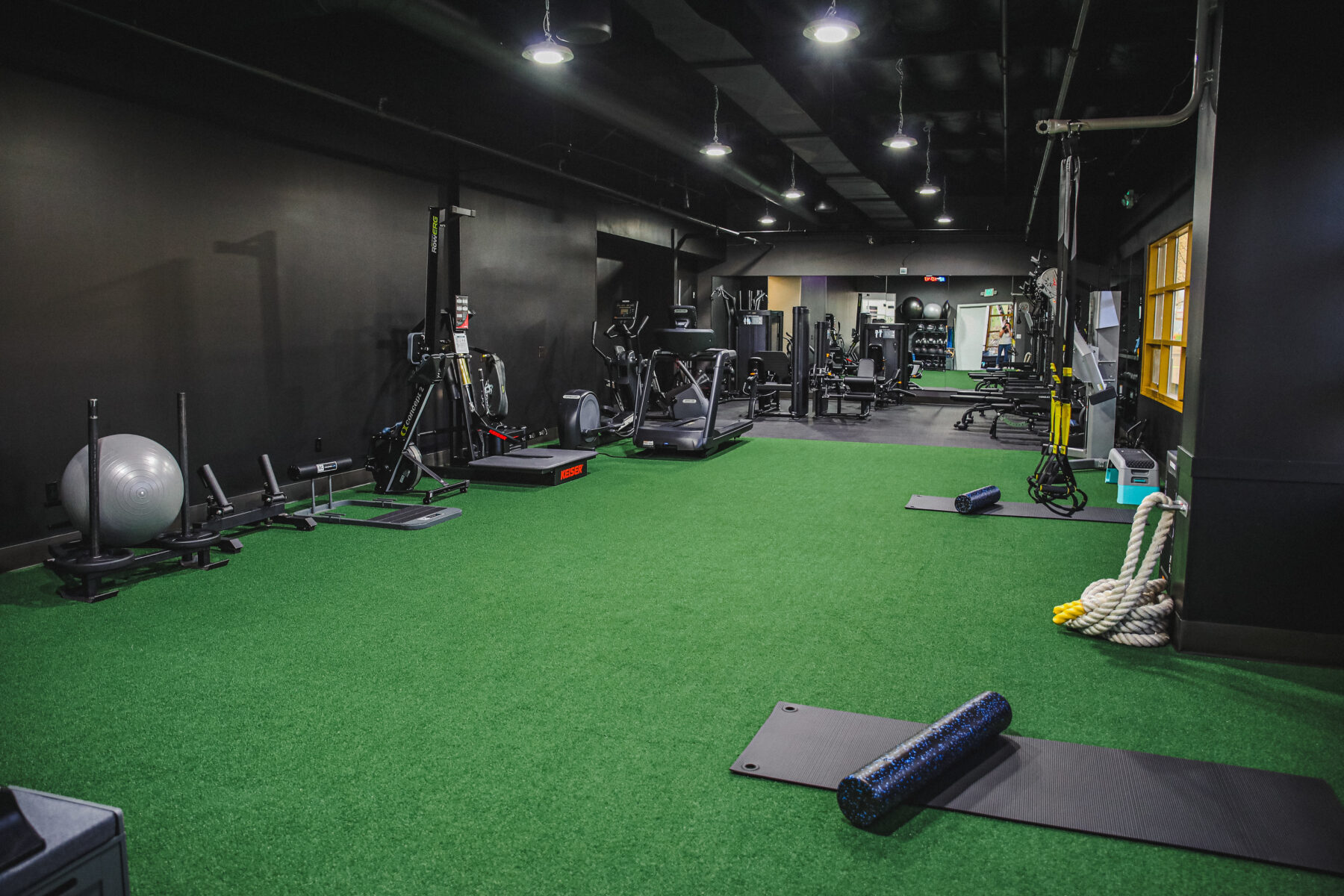
- The room: Does the proposed mix leave space for access, movement, and more than one type of workout? Have the team considered flooring, power, and the path for delivery and installation?
- The support: Who will handle maintenance or a service request, and what parts and warranty coverage are available for the exact model and facility?
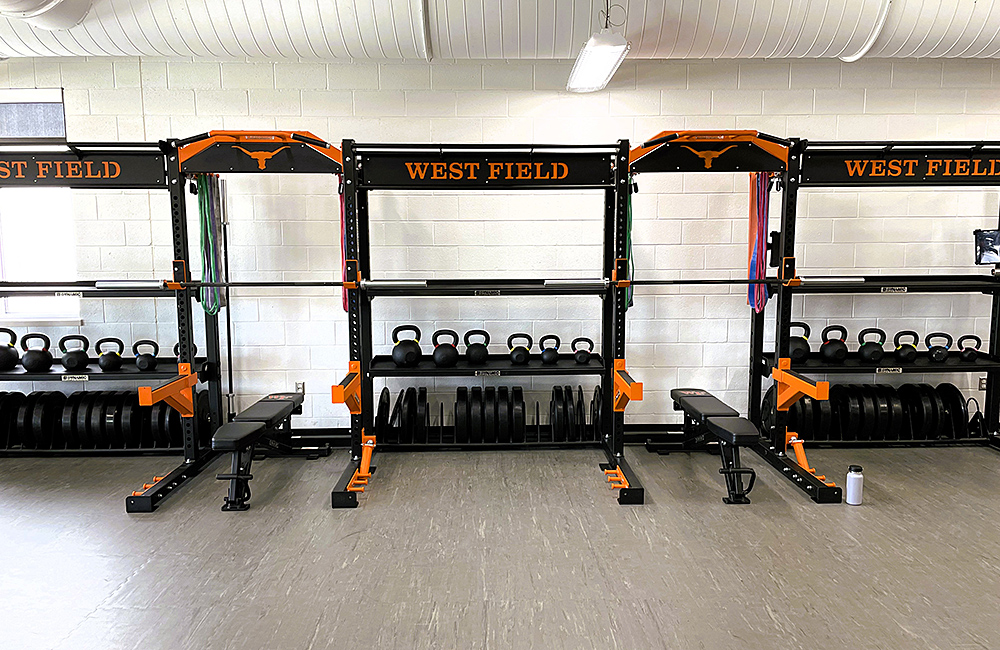
These questions apply to strength and functional training equipment as well as cardio. A successful fitness center is a coordinated space, not a collection of individually priced machines.
Look beyond the day-one price
The initial equipment quote is one part of a facility’s investment. Delivery, installation, routine maintenance, repairs, downtime, and eventual replacement can also affect the operating budget. If a machine is out of service, residents, guests, or employees temporarily lose access to part of the amenity.
That does not mean the highest-priced model is always the right purchase or that any machine will have a guaranteed lifespan. It means a useful comparison should account for the facility’s expected traffic and the full period the property plans to own the equipment.
Before approving a purchase, ask:
- Is this exact model intended for our type of facility and expected level of use?
- What does its warranty cover in our setting, and what maintenance does it require?
- How will service and replacement parts be handled?
- Does it fit the layout, power plan, flooring, and delivery route?
- What will the space need from its equipment over the next several years?
Choose for the people who will use the space
The best equipment plan starts with the property and its users. A senior living community may place particular value on intuitive equipment and comfortable circulation. A multifamily property may need a balanced mix of cardio, strength, and open training space. A hotel may prioritize a versatile workout in a smaller footprint. Each facility has its own budget, available space, and expectations for the fitness amenity.
Pacific Fitness Products specializes in commercial fitness equipment. Our team works with owners, property managers, architects, and other project partners to evaluate the room, plan equipment layouts, select an appropriate mix, and coordinate delivery, installation, and service support. We help clients make the most of their space while keeping the people who will use it at the center of the plan.
Planning a new fitness center or replacing equipment in an existing one?
Contact Pacific Fitness Products to discuss your facility, users, and budget.